European fine art market grapples with climate and geopolitical risks

Published on
18 June 2026
Share on socials
First published by Insurance Day and reproduced with kind permission of the editor
Underwriters are now paying closer attention to route planning, local partner quality and contingency arrangements when assessing the movement and concentration of high-value assets.
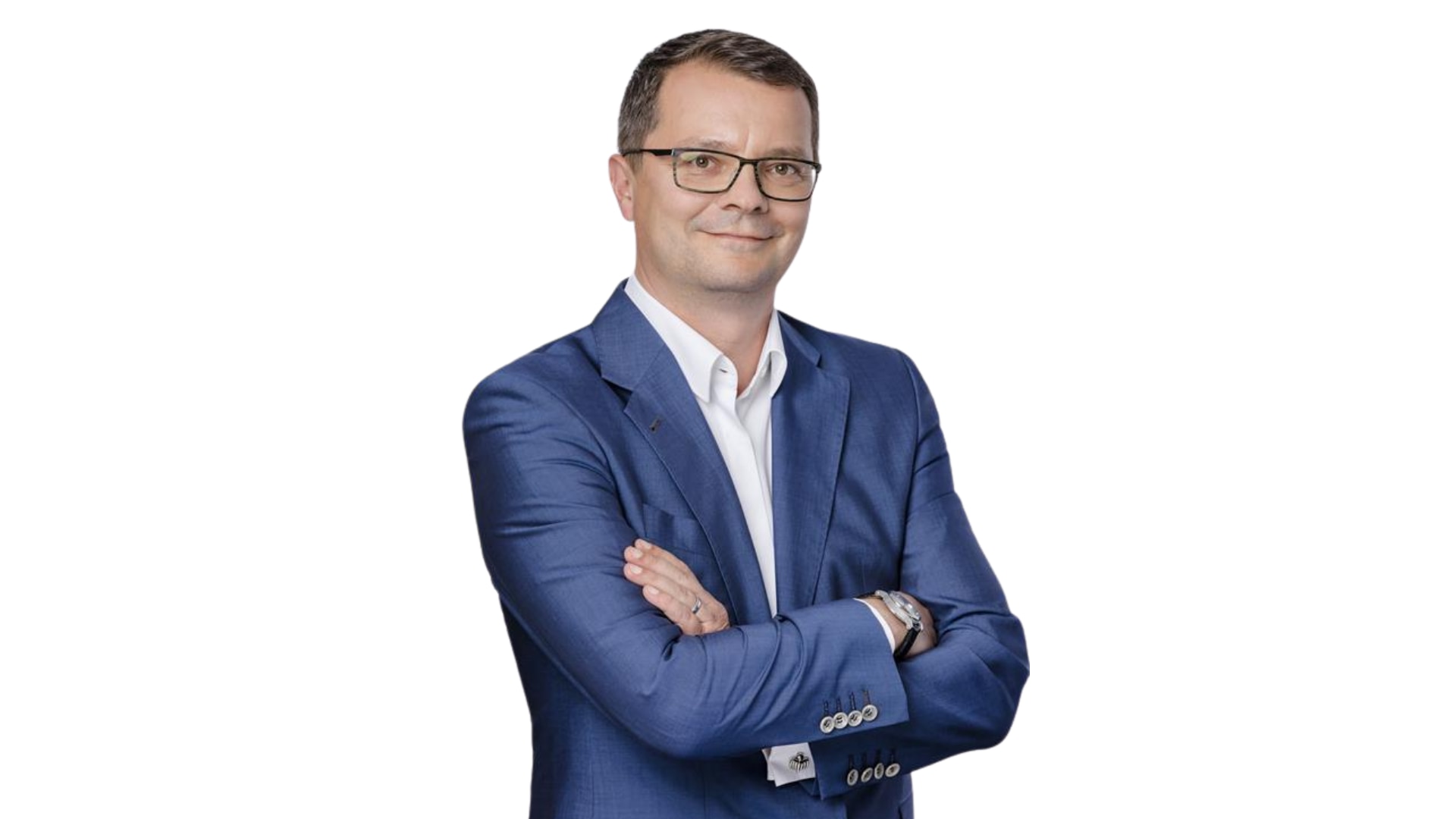
Insurers are facing growing challenges around transport, authentication and preservation as art becomes an increasingly global investment asset, says Liberty Specialty Markets' Paolo Frassetto
As geopolitical instability, climate risk and changing ownership patterns reshape the European fine art and specie market, insurers are having to reassess how they evaluate and protect high-value assets across Europe.
Paolo Frassetto, European underwriting manager for fine art and specie at Liberty Specialty Markets, says the sector is likely to remain “extremely dynamic” over the next 12 to 24 months as geopolitical uncertainty continues to influence underwriting decisions.
“In recent years, we’ve seen more complexity around sanctions,” Frassetto says, explaining that underwriters are now paying closer attention to route planning, local partner quality and contingency arrangements when assessing the movement and concentration of high-value assets.
He also points to growing challenges around valuation and authentication as art becomes more widely viewed as an investment asset. This has come with a shift in the client base, with greater participation from family offices and alternative investors who increasingly view art and specie as part of broader portfolio strategies.
This has resulted in assets being traded and moved more frequently, often through more complex ownership structures, while some newer entrants may not have the same operational controls as traditional institutions. “As a result, underwriting needs to be tailored,” Frassetto says. “We look not just at the asset itself, but at the sophistication of the client.”
When it comes to authentication, Frassetto explains that modern art is often easier to authenticate because of identifiable provenance and the role played by artist foundations. “However, in the case of ancient art, a work that is attributed, or of a school or uncertain provenance, necessarily has a different value from a work that is certain
and authentic,” he says.
Transport and handling continue to present some of the market’s biggest vulnerabilities. Frassetto says risks begin from the moment a piece leaves its usual location and continue throughout the packing and transit process,
particularly when works are being moved from museums, private residences or places of worship. Weight and dimensions can further complicate handling and increase the likelihood of damage.
Climate-related risks are also becoming more prominent within fine art and specie portfolios. Although artworks
are generally stored in controlled environments that reduce exposure to natural catastrophes, Frassetto warns that
losses can be rare but severe when they do occur. He references the 1966 Florence flood, when the Arno River overflowed and caused extensive damage to paintings and frescoes across the city.
Frassetto believes the market still underestimates the importance of preservation and conservation. He highlights that collectors often focus too heavily on premium costs rather than ensuring appropriate protection measures are in place to mitigate damage and safeguard artworks over the long term. “Art is fragile and must be protected, starting with the principle of conservation, a consideration that is rarely considered,” Frassetto says.
“Preservation and protection are concepts an insurance contract should embody, but they can only be implemented through a proper analytical process.”
LSM’s fine art and specie business provides a line size of up to $250m for both fine art and general specie risks globally, alongside $30m for jewellers’ block and cash in transit exposures. The re/insurer’s portfolio spans the
UK, Europe, the US and Canada, Australasia, Asia, the Middle East and Latin America.
Earlier this month, the business restructured its European leadership team to drive growth in fine art and specie under the business’s 2030 Invest in Europe strategy.
According to Frassetto, Liberty’s regional structure allows the re/insurer to access “the best of both worlds: local market knowledge and pan-European consistency". He says fine art and specie risks are often shaped by local legislation, security infrastructure, client behaviour and loss history, making local market knowledge increasingly
important.
“At the same time, consistency is essential in specialty lines. Clients want clarity, brokers want alignment, and we need a coherent underwriting framework across borders. The regional model allows us to preserve a common appetite and discipline while giving local teams the flexibility to adapt to market-specific realities," he says.